
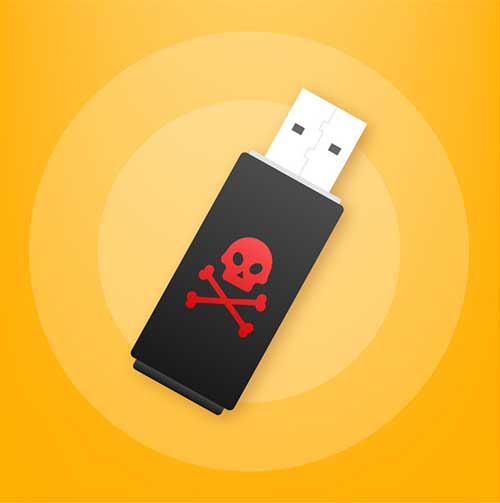
A common yet devastating data breach scenario that most organisations never adequately plan for involves portable storage devices. An employee loses a USB drive in a taxi, leaves an external hard drive on a train, or has a laptop bag stolen at an airport. The device vanishes, but the sensitive data it carries — customer records, financial files, contracts, and personal information — remains fully exposed if unencrypted.
Under India’s Digital Personal Data Protection (DPDP) Act, such an incident qualifies as a reportable data breach. Organisations must notify the Data Protection Board within 72 hours and demonstrate the security measures that were in place. Simply stating “the data was on a USB drive” offers no legal protection and can result in significant penalties along with reputational damage.
The core vulnerability lies in relying on standard, unencrypted portable devices for carrying critical business data. Once lost or stolen, these devices give immediate access to anyone who finds them. Without robust safeguards, organisations face unavoidable compliance failures and potential lawsuits from affected individuals.

To counter this risk, companies must adopt military-grade AES 256-bit hardware encrypted USB drives and external hard drives. These solutions ensure that even if the physical device is lost, the data remains completely inaccessible without the correct authentication — rendering it useless to thieves or unauthorised finders.
Advanced protection goes beyond encryption. A centralised management console allows IT teams to remotely lock, wipe, or track lost devices instantly. This capability significantly reduces the window of exposure and helps meet DPDP Act requirements for demonstrating reasonable security practices.
Organisations should also deploy port control software to block unauthorised USB devices across the network and integrate built-in anti-malware to prevent infected drives from spreading threats. Maintaining a full audit trail — recording who used each device, when, and what data was accessed — further strengthens both security and compliance posture.
In today’s regulatory environment, treating portable data storage as a minor operational issue is no longer viable. Proactive investment in encrypted hardware and centralised controls is essential to prevent avoidable breaches and protect both business continuity and legal standing.