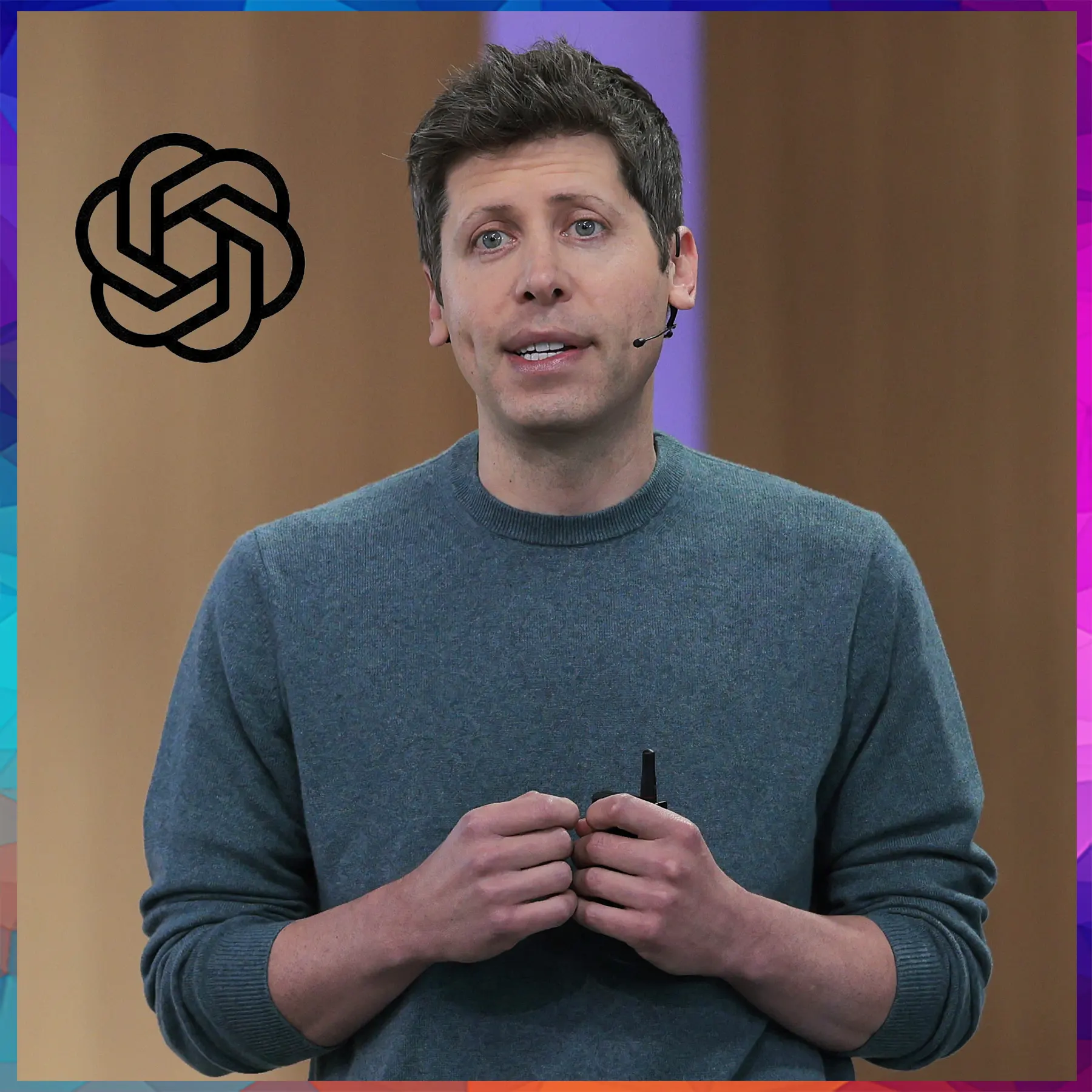
Sam Altman said he would reject any deal promising zero misuse or scams if it limited AI's upside, highlighting differences with Anthropic CEO Dario Amodei over how tightly to regulate AI.
OpenAI chief executive Sam Altman has argued that society should be ready to tolerate some harm from artificial intelligence if that is the price of letting people enjoy its benefits. He made the comments in an interview with Politico, when asked how his stance on regulation compares with that of Anthropic CEO Dario Amodei. Altman acknowledged that the two executives take different positions.
Altman backs light-touch rules and continued development
Altman said OpenAI prefers a light-touch regulatory framework. He called it an unacceptable trade-off to hand control of the technology to a single AI laboratory. That stance contrasts with Anthropic, which has pressed for tougher rules, an effort Altman has previously supported in public.
In his view, labs should keep advancing the technology rather than halting work over safety fears. He said he would turn down any arrangement that guaranteed no major hacks, no misuse and no scams, because he expects people to create far more good than harm with AI. OpenAI, he added, believes users should have agency over how the technology is applied.
The comments underline a split between two of the sector's most prominent companies. They compete to build advanced AI systems and now favour different approaches to how governments should oversee them.
Amodei warns of serious risks as rivalry plays out in public
Altman's remarks follow comments Amodei made to CBS last month. The Anthropic chief said the industry had long been less than candid with the public about AI's dangers, that real threats exist, and that the largest of them could be human extinction. Researchers Jacob Coxon and Evan Hubinger have likewise warned that unregulated AI could wipe out humanity within a decade, a claim rejected by Nvidia CEO Jensen Huang. Huang has said AI could weaken children's basic maths skills but might also create room for new ones.
The two AI leaders have disagreed in public before. At the India AI Impact Summit in February, they drew attention online when they declined to hold hands on stage.
Last week, US President Donald Trump discussed AI safety at the White House, where he and several technology leaders, including Amodei and Huang, signed the AI accords, a voluntary agreement on developing the technology safely. Trump also signed an executive order directing federal agencies to use the term "super intelligence," or SI, instead of "artificial intelligence." The extinction-risk claims cited above remain disputed among researchers and industry leaders.