Breaking News
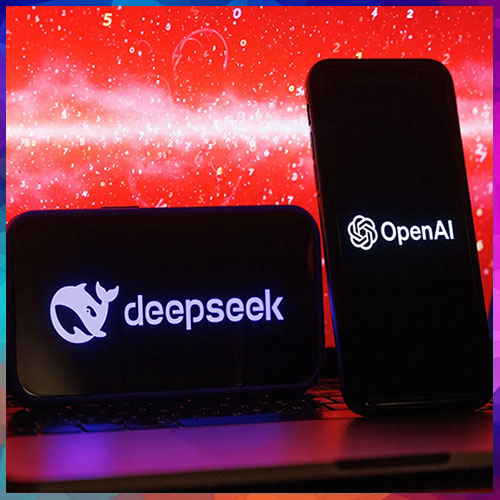
OpenAI has told U.S. lawmakers that Chinese artificial intelligence startup DeepSeek may have used a technique known as “distillation” to replicate capabilities from leading American AI systems, according to a memo reviewed by media reports.
In the communication addressed to the U.S. House Select Committee on Strategic Competition between the United States and China, OpenAI alleged that individuals linked to DeepSeek attempted to bypass access safeguards to obtain outputs from its models. The company claimed these outputs were then used to help train competing AI systems.
OpenAI described the activity as an effort to “free-ride” on advancements made by U.S.-based frontier AI laboratories.
Allegations of Bypassing Access Controls
Distillation is a widely known AI training method in which a smaller or newer model learns from the outputs of a larger, more advanced system. While the process itself is not inherently improper, OpenAI suggested that DeepSeek employees may have accessed its systems in ways that violated usage policies.
According to the memo, OpenAI observed accounts allegedly connected to DeepSeek employees using techniques designed to obscure their identity and bypass platform restrictions. The company further claimed that code was developed to programmatically collect model outputs at scale for training purposes. DeepSeek and its parent firm, High-Flyer, did not immediately comment publicly on the allegations.
Growing Tensions in the Global AI Race
The dispute comes amid heightened competition between the United States and China in advanced AI development. DeepSeek, based in Hangzhou, gained attention last year after releasing large language models that analysts said performed competitively with leading U.S. offerings. The progress raised concerns among U.S. policymakers about China’s rapid advancement in artificial intelligence despite export controls and technology restrictions.
OpenAI also stated that it actively monitors for and removes accounts suspected of attempting to extract model outputs for competitive replication.
The episode underscores the broader geopolitical and commercial tensions shaping the global AI landscape. As governments tighten scrutiny over technology transfers and intellectual property, leading AI firms are increasingly focused on protecting model access and safeguarding proprietary training techniques.

See What’s Next in Tech With the Fast Forward Newsletter








Tweets From @varindiamag
Nothing to see here - yet
When they Tweet, their Tweets will show up here.