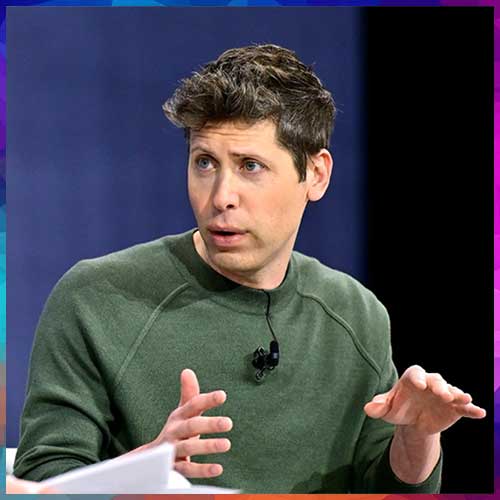
OpenAI CEO Sam Altman said on Tuesday that artificial intelligence has not eliminated as many white-collar jobs as he once feared, easing concerns about an immediate “jobs apocalypse” caused by AI.
Speaking virtually at a conference hosted by Commonwealth Bank of Australia in Sydney, Altman said OpenAI had been largely correct about how quickly AI technology would improve after launching ChatGPT in 2022, but wrong about how fast it would disrupt employment.
“I thought there would have been more impact on entry-level white-collar jobs being eliminated by now than has actually happened,” Altman said during a conversation with CBA CEO Matt Comyn.
Altman said he was “delighted” to be wrong about the scale of job losses so far.
His comments come as companies across industries increasingly use AI tools for coding, customer support, research, and administrative tasks. Firms including Amazon, HSBC and Standard Chartered have acknowledged using AI to replace some roles or reduce hiring.
But Altman said he now believes many jobs still require human interaction that AI cannot easily replace.
He described experimenting with AI-generated replies for Slack and email messages before deciding to personally respond to more communications again.
“We really do care about our interactions with people,” Altman said, adding that the experience changed his thinking about how much work people are willing to hand over to AI systems.
The remarks reflect a broader shift in the AI debate as companies move from early experimentation toward figuring out how AI fits into day-to-day work rather than fully replacing employees.
Altman said the long-term impact of AI on employment remains uncertain, but added that he no longer expects the kind of rapid collapse in white-collar jobs that some people in the industry had predicted.
The comments also come as OpenAI reportedly prepares for a potential stock market listing. Reuters reported last week that the company may confidentially file for a U.S. IPO in the coming weeks.
Speaking virtually at a conference hosted by Commonwealth Bank of Australia in Sydney, Altman said OpenAI had been largely correct about how quickly AI technology would improve after launching ChatGPT in 2022, but wrong about how fast it would disrupt employment.
“I thought there would have been more impact on entry-level white-collar jobs being eliminated by now than has actually happened,” Altman said during a conversation with CBA CEO Matt Comyn.
Altman said he was “delighted” to be wrong about the scale of job losses so far.
His comments come as companies across industries increasingly use AI tools for coding, customer support, research, and administrative tasks. Firms including Amazon, HSBC and Standard Chartered have acknowledged using AI to replace some roles or reduce hiring.
But Altman said he now believes many jobs still require human interaction that AI cannot easily replace.
He described experimenting with AI-generated replies for Slack and email messages before deciding to personally respond to more communications again.
“We really do care about our interactions with people,” Altman said, adding that the experience changed his thinking about how much work people are willing to hand over to AI systems.
The remarks reflect a broader shift in the AI debate as companies move from early experimentation toward figuring out how AI fits into day-to-day work rather than fully replacing employees.
Altman said the long-term impact of AI on employment remains uncertain, but added that he no longer expects the kind of rapid collapse in white-collar jobs that some people in the industry had predicted.
The comments also come as OpenAI reportedly prepares for a potential stock market listing. Reuters reported last week that the company may confidentially file for a U.S. IPO in the coming weeks.