The telecom regulator has directed operators to introduce data-free recharge options valid for 30 days or less, a move aimed at giving low-income and light-data consumers more affordable, flexible choices—though analysts warn of a mild dent to average revenue per user.
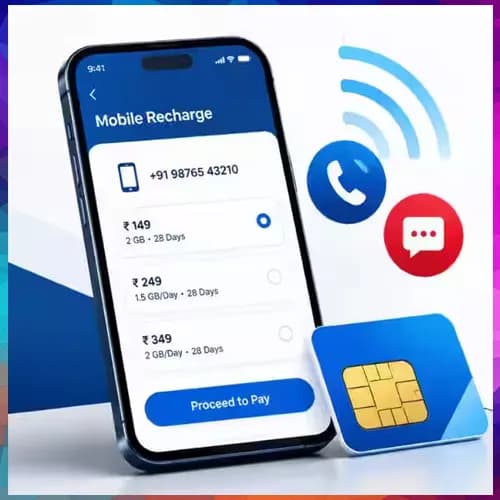
The Telecom Regulatory Authority of India (Trai) has directed telecom operators to introduce voice-and-SMS-only tariff plans that exclude bundled data, with a validity period capped at 30 days or shorter. The directive, issued Tuesday, amends the Telecom Consumer Protection Regulations, 2024, and follows industry consultations that revealed a shortage of such special tariff vouchers in the market. Trai found that operators largely offered longer-validity packs, which limited affordable, short-term recharge options for price-sensitive users.
In its notification, the regulator said this tariff structure would adequately meet consumer needs, particularly for those who want to recharge based on their actual usage and financial constraints rather than pay for data they don't use.
Experts flag pressure on revenue per user
While the move is expected to widen consumer choice, telecom analysts caution it may squeeze average revenue per user, especially among subscribers with minimal data consumption. Since prepaid connections make up roughly 90 percent of India's mobile subscriber base, industry watchers say recharge frequency will matter just as much as recharge value going forward, according to Rohan Lobo, partner and TMT industry leader at Deloitte South Asia.
Lobo noted that some consumers may downgrade to cheaper voice-only options, which could dent overall revenue, though the plans might also help keep low-usage and secondary SIM cards active rather than lapsing. He said the ultimate revenue impact hinges on whether steadier recharge activity offsets the drop in spending from downgraded users, though he anticipates a modest Arpu decline overall.
Deloitte data shows subscriber-level data usage grew nearly 20 percent year-on-year, even as monthly data revenue per user held steady near ₹200. Per-gigabyte realisation dropped to ₹7.51 by March 2026, down from ₹9.11 the previous year—suggesting rising consumption hasn't translated into proportional revenue gains.
Vinish Bawa, who leads the telecom practice at PwC India, said the impact on Arpu would likely be limited and concentrated among elderly users, low-data customers, and those holding secondary connections, since heavy data users are expected to keep purchasing data-inclusive plans. He added that the rule may help retain otherwise dormant secondary SIMs, but flagged a larger concern: increased regulatory involvement in tariff design, an area traditionally left to market forces.
Lobo added that if customers were already using little of their bundled data, switching them to voice-only plans would cut revenue without a proportional drop in network costs—pushing future growth toward tariff hikes, upgrades, and non-data revenue streams, alongside continued cost efficiencies through automation.