
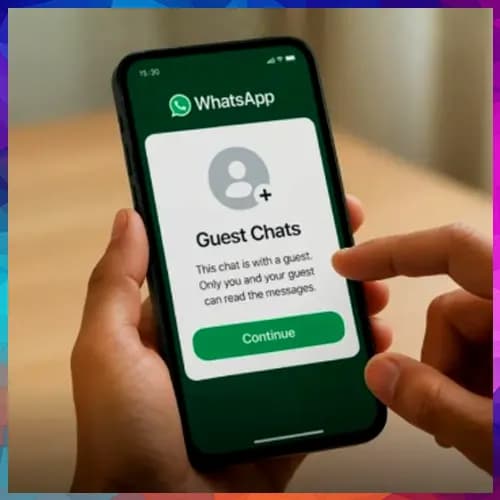
The new feature, currently in limited testing, allows WhatsApp users to invite non-users into encrypted conversations via web links, marking a potential shift in how the platform connects beyond its registered user base.
WhatsApp is reportedly experimenting with a new feature that could expand its reach beyond registered users by allowing conversations with individuals who do not have an account on the platform.
According to reports, the feature—referred to as “Guest Chats”—is currently being tested among a limited group of beta users across Android, iOS, and web versions. The initiative signals a move by Meta to make its messaging ecosystem more accessible and flexible.
How Guest Chats could work
The Guest Chats feature is expected to let users generate a secure invitation link that can be shared via SMS, email, or other messaging platforms. When recipients open the link, they can either download the app or continue the conversation as a guest through a web browser.
If they opt for guest access, the chat opens on WhatsApp Web, where they can participate without creating an account. Each guest session is assigned a unique identifier that acts as an encryption key, ensuring that messages remain protected through end-to-end encryption. Users can also verify chat security through QR codes or security codes.
Guests are required to enter a display name before joining, although the platform does not verify identities. To maintain transparency, chats involving non-users are clearly marked with a “Guest” label within the interface.
Limitations and security considerations
While the feature enhances accessibility, it comes with certain limitations. Guest Chats are designed for temporary use and support only basic text messaging. Advanced features such as media sharing, group chats, voice notes, and calls are not available.
Additionally, guest sessions automatically expire after a period of inactivity, requiring a new invite link to resume communication. Since invite links can potentially be accessed by unintended users, there are concerns around identity verification and misuse.
Despite these challenges, the feature reflects WhatsApp’s broader efforts to evolve its platform and make communication more inclusive. A wider rollout timeline has not yet been officially announced.