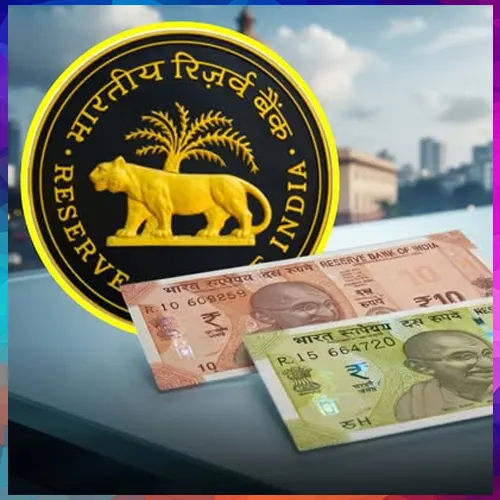
India could introduce polymer or plastic currency notes in ₹10 and ₹20 denominations as early as next year, with the Reserve Bank of India (RBI) advancing preparations for a pilot rollout by inviting global suppliers to participate in the project's first phase.
Reports indicate the RBI plans to begin the pilot with ₹10 and ₹20 notes. The decision on a broader rollout will depend on the results of the field trials, and if the pilot proves successful, a nationwide rollout could begin in 2027.
As part of the initiative, Bharatiya Reserve Bank Note Mudran Private Limited (BRBNMPL), the RBI's currency-printing arm, has issued a Global Expression of Interest (EOI) inviting manufacturers worldwide to supply opacified polymer substrate sheets embedded with security features for printing Indian banknotes, a news source reported.
The EOI seeks approximately 68,000 reams of Biaxially Oriented Polypropylene (BOPP)-based polymer substrate, with 34,000 reams allocated for each of the two denominations. Each ream contains 500 sheets. The substrate must incorporate advanced security features, including a transparent window with a portrait, metallic numeral, magnetic pseudo thread, shadow image and iridescent pattern, and must be compatible with printing facilities operated by BRBNMPL and the Security Printing and Minting Corporation of India (SPMCIL), as per the report.
Another news source reported that the global tender marks the beginning of the RBI's planned field trial of polymer currency notes. The deadline for submitting bids is August 18. It also said, the tender document also states that the current procurement is intended to meet the immediate requirements of the pilot project. Larger orders covering additional denominations may follow if the field trials are successful.
The procurement process includes strict security conditions. It is reported that bidders must maintain complete operational separation between India-related work and any operations in China or Pakistan. They must not source raw materials from either country or assign personnel who have previously worked on projects in China or Pakistan. Additionally, companies based in countries sharing a land border with India must be registered with the Department for Promotion of Industry and Internal Trade (DPIIT) Registration Committee to qualify.
Eligible bidders must have at least three years of experience supplying polymer substrates with security features to a central bank or banknote printing organisation and must be capable of supplying at least 20,400 reams, or 30 per cent of the indicative requirement. Applicants are also required to submit polymer sheet samples for laboratory testing, along with certifications that the material is free of animal tallow and DNA content.
The RBI has not officially announced the denominations for the pilot project. However, RBI Governor Sanjay Malhotra had said after the June monetary policy meeting that a proposal on polymer banknotes was under consideration and that the central bank was examining the advantages and feasibility before taking a final decision.

See What’s Next in Tech With the Fast Forward Newsletter



Tweets From @varindiamag
Nothing to see here - yet
When they Tweet, their Tweets will show up here.