

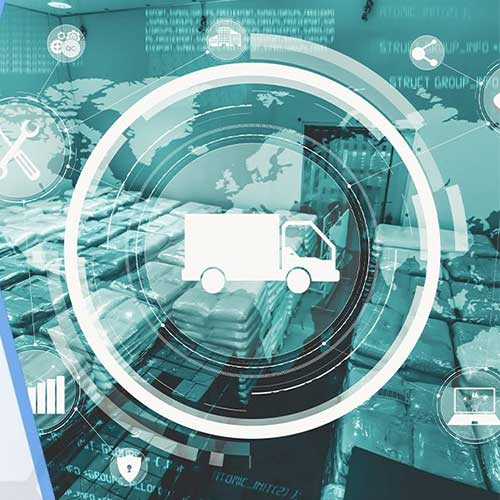
Supply chain attacks are no longer isolated incidents but a growing competitive risk across industries.
As digital ecosystems expand, organizations are increasingly exposed to vulnerabilities embedded within third-party software, vendors, and shared infrastructure.
A single compromised tool can ripple across entire networks, disrupting operations and eroding trust.
Three risks define today’s threat landscape.
First, third-party dependencies create hidden entry points that bypass traditional defenses.
Second, limited visibility across complex supply chains leaves organizations unaware of who has access, what components are in use, and how data flows.
Third, inconsistent governance and unclear accountability across vendors create exploitable gaps.
In this environment, security is becoming a competitive differentiator.
Leading organizations are shifting from reactive controls to proactive and intelligence-driven strategies.
They prioritize continuous monitoring, standardized security frameworks, and stronger vendor accountability.
As threats evolve, resilience depends on treating the supply chain as an integrated ecosystem rather than a set of isolated partners.
Organizations that embed security into every layer of their supply chain will not only reduce risk but also build long-term trust and operational advantage.

See What’s Next in Tech With the Fast Forward Newsletter






Tweets From @varindiamag
Nothing to see here - yet
When they Tweet, their Tweets will show up here.