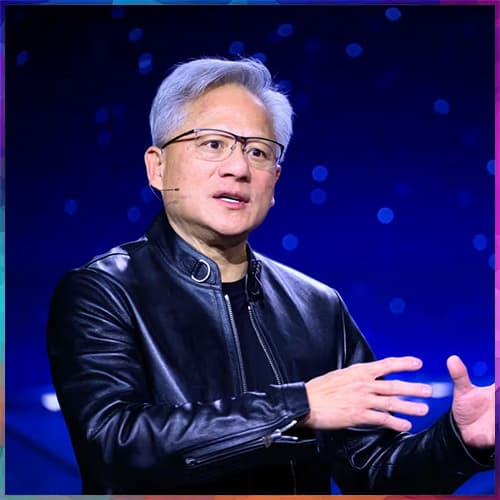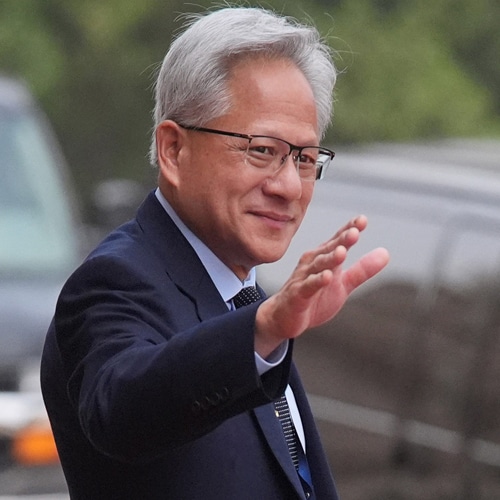
Nvidia faces an unprecedented leadership crisis after its board rejected founder Jensen Huang's willingness to return as CEO, despite growing pressure from Silicon Valley executives, investors, and political leaders.
The decision follows Huang's resignation amid revelations concerning personal relationships and allegations involving a woman suspected of connections to Chinese intelligence. These allegations have triggered questions about corporate governance and national security.
Nvidia Chairman Harvey Jones confirmed that the board unanimously accepted Huang's resignation and has no intention of reinstating him, signaling a firm commitment to its leadership transition.
Huang, who transformed Nvidia into a global AI computing powerhouse, acknowledged serious personal mistakes and expressed willingness to return if the board considered it beneficial.
Supporters, including Elon Musk and President Donald Trump, have advocated reconsideration, emphasizing Huang's extraordinary contribution to America's artificial intelligence leadership.
However, the controversy extends beyond personal conduct. Investigations are examining potential national security implications and whether restricted advanced AI chips reached Chinese entities through unauthorized channels.
Importantly, allegations involving suspected intelligence connections and export-control violations remain under investigation. They should not be treated as established findings of wrongdoing by Huang.
Strong Financial Performance Amid Leadership Uncertainty
Despite the turmoil, Nvidia reported quarterly revenue of approximately $116 billion, doubling year-over-year, demonstrating sustained demand for AI accelerators and data center infrastructure.
Chief Financial Officer Colette Kress, serving as interim CEO, now faces the challenge of maintaining operational stability while the board searches for permanent leadership.
The company has also established a dedicated board committee overseeing national security and international trade compliance, reflecting heightened regulatory scrutiny.
From a corporate governance perspective, Nvidia's decision highlights the tension between protecting shareholder interests, retaining visionary leadership, and enforcing ethical standards consistently.
Conversely, Huang's supporters argue that removing an influential technology architect could disrupt innovation, strategic partnerships, and America's competitive position in the global AI race.
For investors, customers, and technology partners, Nvidia's immediate challenge is ensuring leadership continuity without compromising product development, supply commitments, or market confidence.The unfolding crisis demonstrates that technological excellence cannot substitute for institutional accountability, particularly when corporations operate within strategically sensitive industries.
Ultimately, Nvidia's future will depend on balancing innovation, governance, national security, and leadership credibility. The company must demonstrate that its AI dominance extends beyond the individual who built it.