With domestic 4G technology performing as planned, the state-run telecom company is eyeing an indigenous 5G rollout, alongside a voice-driven helpdesk, network-level threat filtering and a new citizen messaging platform. No launch date has been fixed.
India’s state-owned telecom operator BSNL is reportedly laying the groundwork for 5G services built on homegrown technology, after its locally developed 4G equipment delivered the performance the company was aiming for.
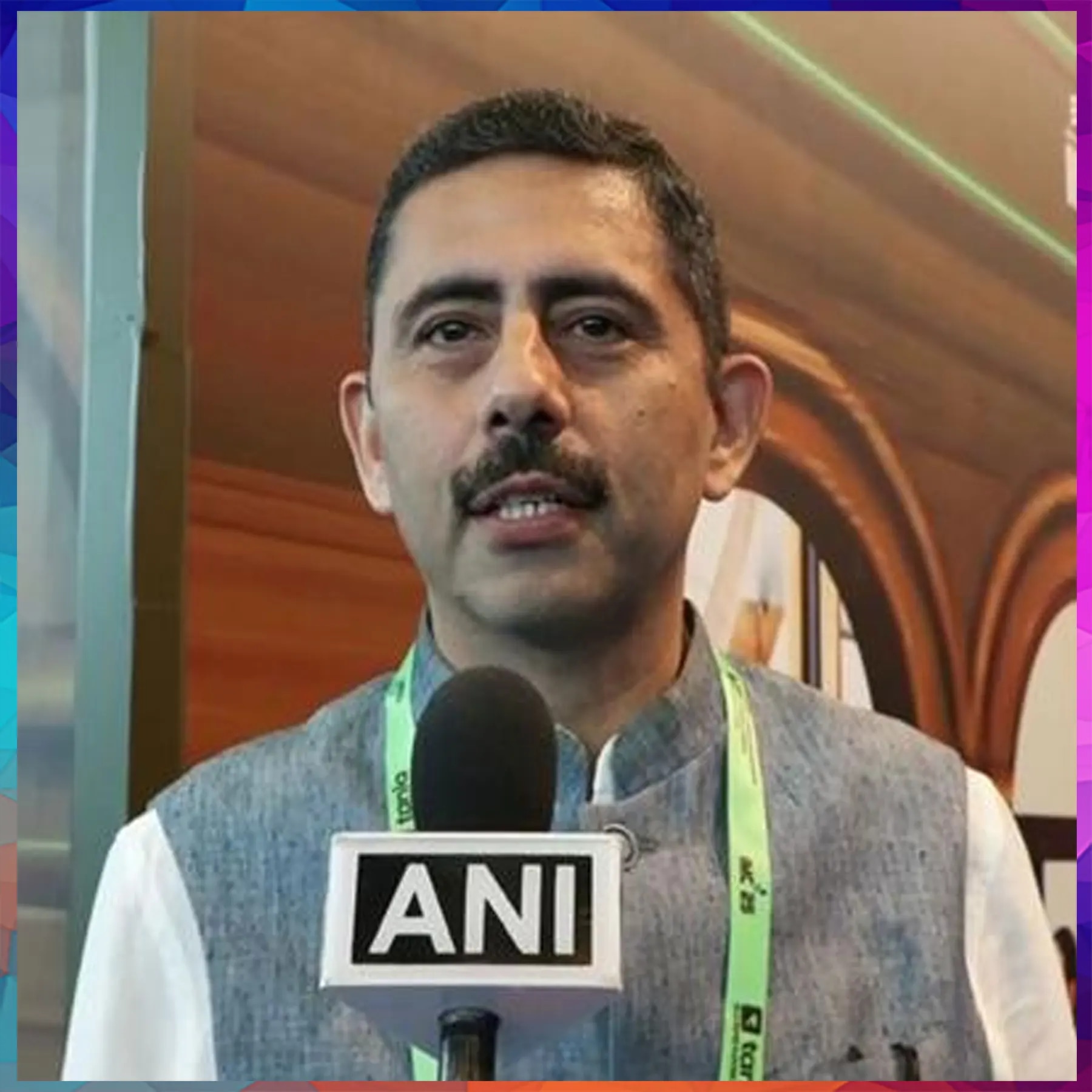
Vivek Dua, the company’s Principal General Manager, revealed this at India Mobile Congress 2026. He said BSNL would keep extending its 4G reach over the next few months while rolling out fresh services in customer care and cybersecurity.
The operator has been installing 4G gear designed and made in India, part of a wider effort to lessen dependence on foreign suppliers. That network now serves as the springboard for its 5G plans. Dua indicated that the current system was working as intended and would reach more areas over time. No date has yet been given for a countrywide 5G launch, and the schedule will be shaped by how quickly the network is ready.
A chatbot that listens, and a shield inside the network
One of the new offerings is an enhanced version of Vani, BSNL’s automated assistant, which has been wired more deeply into the operator’s core systems. Subscribers can speak to it in regional languages, describe what is going wrong with their service and lodge a complaint if the problem needs follow-up. BSNL expects the tighter integration to help locate faults sooner and cut waiting times. The voice format may also suit customers who find online complaint forms cumbersome.
BSNL has also joined hands with cybersecurity firm Saptang to put an Indian-built filtering layer inside its core network. The idea is to catch suspicious traffic before it ever reaches a customer’s phone, giving users a baseline of protection whatever device they own. How well it works will depend on execution, particularly whether it can stop malicious data without interfering with genuine calls and messages.
One inbox for public services
The third launch, Bharat Sandesh, is a two-way platform that lets people communicate with government bodies and private companies in one place. Alerts and queries from banks, power distributors and water boards would sit side by side, and users could chat or talk with participating organisations, with AI assisting the exchange. Its value will hinge on how many institutions come on board and the range of services they provide. If adoption is broad, it could spare people from juggling separate apps and portals for routine service updates.
State support remains central
The government has been a major backer of BSNL’s upgrade. Figures published earlier this year showed the company deploying 100,000 locally developed 4G sites around the country, designed so they can later be moved to 5G.
Even so, the operator faces stiff competition from private rivals that have already built large customer bases. Analysts and customers alike will be watching whether continued spending on coverage, service quality and security can help BSNL hold its own, and whether its 5G ambitions translate into a firm timeline in the months ahead.