
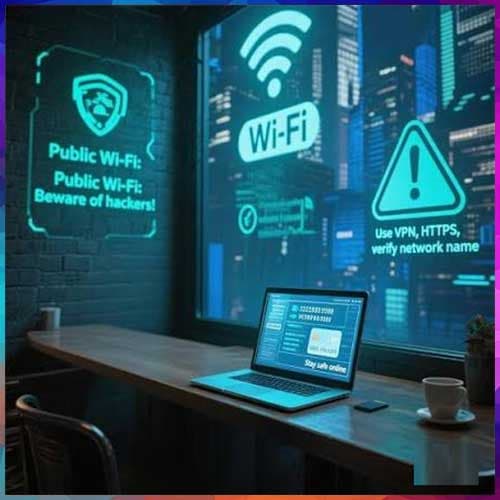
A routine hotel Wi-Fi login can now become the opening move in a sophisticated cyberattack. Microsoft’s CaptiveCrunch investigation shows how attackers are exploiting captive portals at hotels, conferences, and other hospitality locations to target travelers—particularly employees carrying devices connected to valuable corporate accounts.
The attack is tactful because nothing initially appears suspicious. Travelers connect to Wi-Fi and encounter what looks like a normal login or connectivity page. Attackers positioned in the network path can manipulate DNS and HTTP traffic, redirecting users toward convincing Microsoft sign-in pages or fake system notifications.
Once trust is established, victims may be tricked into surrendering passwords, device codes, OAuth tokens, or session credentials. Fake Windows Update, Defender, browser, DirectX, PDF-viewer, or network-repair prompts can also persuade users to initiate malicious actions disguised as routine maintenance.
The reported campaign has deployed malware capable of remote access and information theft. Once compromised, a device could expose browser cookies, saved passwords, Microsoft 365 SSO tokens, keystrokes, Wi-Fi credentials, microphone audio, or webcam images, potentially opening a pathway into corporate environments.
The lesson for enterprises is critical: public Wi-Fi must be treated as hostile infrastructure. Travelers should prefer trusted mobile hotspots, avoid unexpected update prompts, use phishing-resistant authentication, and ensure corporate devices operate under Zero Trust and endpoint-security controls.