

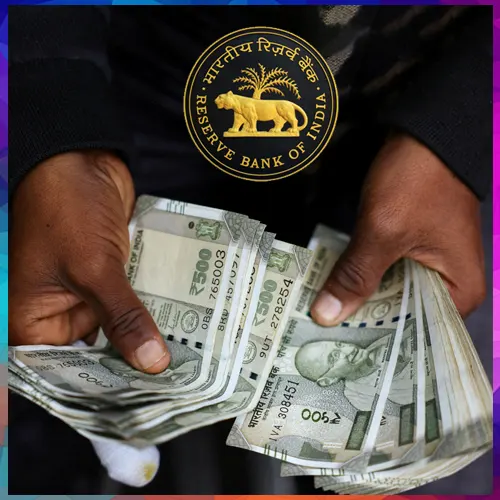
The Reserve Bank of India (RBI) has revived the idea of printing polymer banknotes for circulation to meet the surge in demand for currency notes in the last few years. The issue of introducing polymer or plastic notes was discussed in the last two board meetings of the central bank, held in Patna and Mumbai. The decision was taken due to perceived advantages in the cost of production and the higher shelf life of such currency notes.
A pilot project involving plastic banknotes for public use is expected to be announced soon.
The expenditure incurred on securely printing paper currency notes during 2024-25 (FY25) was ₹6,372.8 crore, compared to ₹5,101.4 crore during the previous year, mainly due to an increase in the indent for printing banknotes, the RBI said in its annual report for FY25.
Increasing the shelf life of banknotes was an equally important consideration for the decision to go polymer, as the disposal of soiled banknotes has remained high. Data shows 23.8 billion pieces of soiled banknotes were disposed of in FY25, a 12.3 per cent rise from 21.24 billion pieces in the previous year. Most soiled notes were of the ₹500 denomination, followed by ₹100 banknotes.
Currency in circulation (CiC) continued to rise at a sharp pace, increasing 11.5 per cent year-on-year to touch ₹42.86 trillion — a record high — as on May 15. In absolute terms, CiC expanded by ₹1.15 trillion during the first one and a half months of FY27, indicating sustained demand for cash despite continued growth in digital payments.

See What’s Next in Tech With the Fast Forward Newsletter






Tweets From @varindiamag
Nothing to see here - yet
When they Tweet, their Tweets will show up here.