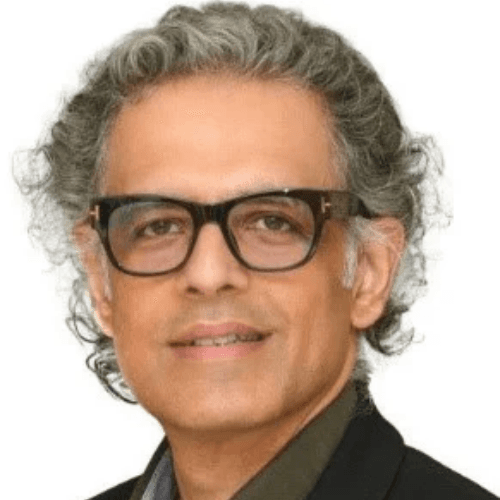
India is signalling a major shift in digital governance as Union IT Minister Ashwini Vaishnaw calls for greater accountability from social media platforms, warning that technology companies can no longer escape responsibility for online harm.
The government's message is clear: platforms must move beyond passive content hosting and proactively protect citizens against cyber fraud, digital arrest scams, deepfakes, online exploitation, and harmful digital content.
Child safety and women's protection have emerged as critical priorities. With increasingly sophisticated AI-generated content and impersonation attacks, existing moderation systems face growing questions about their effectiveness.
However, the biggest uncertainty surrounds Section 79 of the Information Technology Act, which provides conditional safe-harbour protection against liability for third-party content. Vaishnaw stopped short of clarifying whether these protections would be withdrawn.
Any significant dilution of safe harbour could fundamentally reshape the business models of Meta, Google, X, and other digital platforms, potentially increasing their legal exposure and compliance obligations.
Another major concern is algorithmic accountability. Social media companies influence public opinion through recommendation engines that determine which content receives visibility, engagement, and amplification.
The government is consequently seeking greater transparency in algorithmic operations, particularly where automated recommendations amplify misinformation, harmful content, or fraudulent activities.
Equally important is strengthening grievance redressal. Victims of deepfake impersonation, financial fraud, or online harassment should have access to rapid remedies without depending exclusively on police intervention or lengthy litigation.
The broader challenge is balancing platform accountability with digital freedom. Excessive regulation could encourage censorship, while inadequate oversight risks exposing millions of users to sophisticated AI-powered threats.
Ultimately, India's evolving digital governance framework must prioritise trust, transparency, responsible AI, and enforceable accountability. The future of social media cannot depend solely on technological innovation; it must also guarantee meaningful protection for citizens.