Tan's strategy includes streamlining Intel’s management, reducing workforce, enhancing operational efficiency, and expanding the Intel Foundry division to serve external clients like Nvidia and Microsoft, diversifying revenue streams
TUESDAY, 24 NOVEMBER 2026

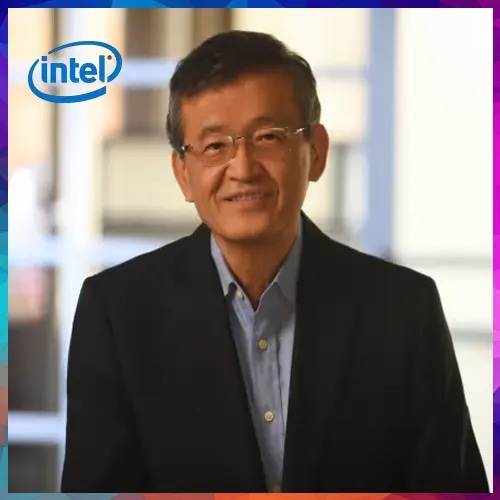
Tan's strategy includes streamlining Intel’s management, reducing workforce, enhancing operational efficiency, and expanding the Intel Foundry division to serve external clients like Nvidia and Microsoft, diversifying revenue streams
Intel's incoming CEO Lip-Bu Tan is preparing to lead the company through a significant transformation as it seeks to address ongoing performance challenges. According to reports quoting sources close to the company, Tan’s plans will include major changes to Intel's manufacturing processes, workforce structure, and artificial intelligence (AI) strategy, all aimed at revitalizing the company’s competitive edge.
A core part of Tan’s strategy will be to streamline Intel’s management, which he views as inefficient and overstaffed. This restructuring is expected to involve workforce reductions, with the goal of improving operational efficiency. Intel’s manufacturing operations, particularly its Intel Foundry division, will also undergo changes. Initially focused on producing Intel's own chips, the Foundry now serves external clients, including Nvidia and Microsoft, in an effort to diversify revenue streams.
These moves come after Intel reported a $19 billion annual loss in 2024, marking the company’s first loss since 1986. Tan aims to turn the company around by improving chip production processes and attracting high-profile external clients. Early feedback from test runs has reportedly generated interest from major players like Nvidia and Broadcom, with Advanced Micro Devices (AMD) also reviewing Intel’s capabilities.
At the heart of Intel’s turnaround plan is a renewed focus on AI. The company is set to accelerate the development of its AI chips, with the Panther Lake chip seen as pivotal to its recovery. Designed with integrated AI features, Panther Lake will utilize Intel’s advanced 18A manufacturing process, which is expected to enhance chip yields and performance. Intel’s financial outlook for the year will largely depend on the success of this upcoming chip.
Intel's broader AI strategy includes releasing AI chips on an annual basis, though significant architectural improvements may take until 2027 to materialize. To sustain growth, analysts suggest that Intel's contract manufacturing division will need at least two major clients. Tan’s efforts to streamline manufacturing will make it easier for companies like Nvidia and Google to adopt Intel's products.
Tan is also expected to assess further workforce adjustments after Intel's reduction of 15,000 employees last year, ensuring that any restructuring aligns with the company’s broader goals of improved efficiency and profitability.
Loading comments…
Share your thoughts on this story. Comments are moderated before they appear.
Be respectful. Comments are reviewed before publication, and spam or abusive language will be removed.
Keep reading
Breaking News
25 February 2025
Breaking News
4 September 2024
Breaking News
23 November 2026

Breaking News
23 November 2026