Technical failure at America's largest bank triggers widespread transaction delays, exposing vulnerabilities in interconnected financial infrastructure.
A major technical disruption at JPMorgan Chase affected thousands of banking customers across the United States on Monday, November 16, 2026, triggering transaction delays and service complaints involving several leading financial institutions and the Zelle payment network.
Customers of JPMorgan Chase, Bank of America, US Bank, and Wells Fargo reported difficulties accessing banking services, checking account balances, transferring funds, and completing financial transactions.
JPMorgan Chase confirmed that the disruption originated from a software bug affecting an on-premises hardware system. The bank explicitly ruled out a cyberattack, emphasizing that the incident was technical rather than malicious.
According to Chase spokesperson Joe Evangelisti, customers retained access to their accounts and funds, although certain transactions were taking longer than usual. The bank said engineers were working to restore normal operations.
Outage-monitoring platform Downdetector recorded thousands of customer complaints. Approximately half of Chase-related reports concerned account balances and transactions, while 20% involved login difficulties and 18% related to transfers and wire payments.
Bank of America customers also reported service problems, including ATM-related difficulties. However, the simultaneous complaints across multiple banks do not necessarily establish that every institution experienced the same underlying technical failure.
The disruption also affected some customers using Zelle, the bank-integrated peer-to-peer payment network. US Bank clarified that its own systems were not directly affected, although customers could experience delays when transferring money through participating financial institutions.
Zelle maintained that its central service was operating normally. Because transactions depend on participating banks to process payments and maintain customer accounts, problems within individual banking systems can affect the customer experience across the network.
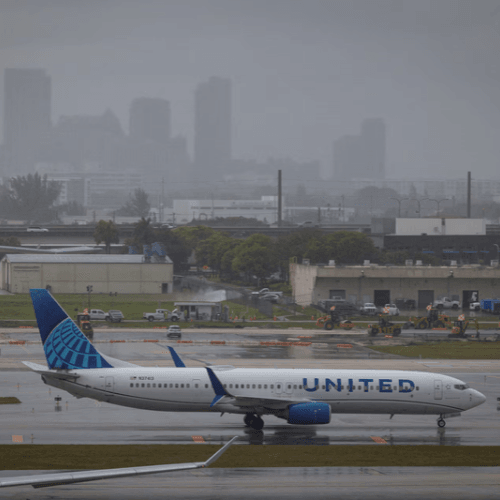
The incident followed separate technology disruptions involving Microsoft services and US aviation infrastructure, intensifying concerns about operational resilience across critical sectors.
The larger lesson is that banking infrastructure can suffer widespread disruption without any cyberattack. Software defects, legacy hardware dependencies, inadequate testing, and interconnected payment systems can create cascading operational risks. Financial institutions must strengthen infrastructure modernization, automated fault detection, transaction monitoring, redundancy, and disaster recovery. As digital payments become indispensable, uninterrupted service availability is as important as cybersecurity in maintaining public trust.
Key Highlights: Why US Banks Faced Disruptions
-
On-premises software failure: JPMorgan identified a software bug affecting an on-premises hardware system as the source of its disruption.
-
Interconnected payment infrastructure: Dependencies between banks and payment networks allowed transaction delays to affect customers beyond Chase.
-
Banking access problems: Customers reported difficulties involving balances, logins, transfers, wire payments, and ATM services.
-
No confirmed cyberattack: Chase explicitly stated that its incident was not cyber-related, distinguishing operational failure from malicious intrusion.
-
Resilience under scrutiny: The incident raises concerns about system dependencies, software reliability, recovery readiness, and the need for stronger operational safeguards across financial institutions.