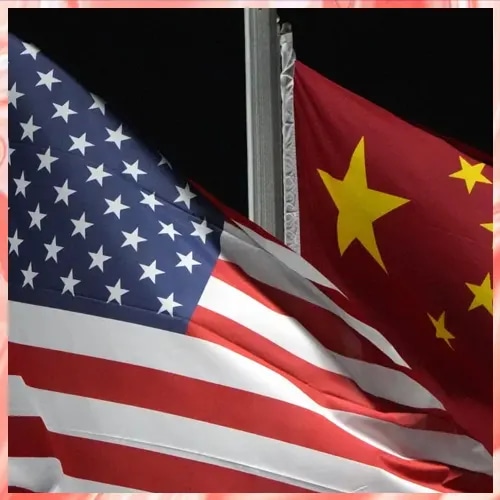
A recent AmCham Shanghai survey found that 47% of U.S. firms redirected investments away from China in the past year, citing trade tensions and favoring Southeast Asia, the Indian subcontinent, and North America as alternatives
Amid escalating trade tensions and prolonged geopolitical uncertainty, a growing number of American businesses are scaling back investments in China. According to a recent survey by the American Chamber of Commerce in Shanghai (AmCham Shanghai), 47% of U.S. companies have redirected planned investments away from China over the past year — the highest level since the survey began in 2017.
The survey, conducted between May 19 and July 20, reflects rising concerns among U.S. businesses over the challenging political climate, especially in light of the ongoing tariff battles between Washington and Beijing. The data highlights a noticeable pivot toward Southeast Asia as the top alternative, followed by the Indian subcontinent, and then the U.S. and Mexico.
India, Southeast Asia gain traction as supply chains diversify
The shift in investment strategy is part of a broader trend of supply chain diversification. Major corporations like Apple have already moved significant manufacturing operations to India, particularly for iPhones intended for the U.S. market. This realignment is being driven not just by tariffs, but also by the strategic need to reduce dependency on a single country amid rising tensions.
While equity markets in both the U.S. and China have remained relatively resilient — with U.S. ETFs like SPY and QQQ gaining over 11% and 13% respectively this year — China-focused ETFs have shown even stronger gains, with MCHI rising by more than 35%.
Still, business leaders are cautious. AmCham Shanghai President Eric Zheng noted that temporary policy pauses — such as the 90-day suspension of new tariffs agreed in August — are insufficient to influence long-term planning. “For companies, 90 days is too short. Supply chains need years of stability,” he stated.
US companies lag behind Chinese peers in tech speed
The survey also revealed that American firms see their Chinese competitors as more advanced in several key areas, including speed to market and AI adoption. These perceptions, coupled with China’s retaliatory tariffs, are affecting U.S. firms' confidence in committing long-term resources to the region.
AmCham, which represents over 1,000 U.S. companies operating in China, counts major players like Apple, Tesla, Meta, Ford, and Google among its members.