Technomania

Consumers expect to trust artificial intelligence more than any other source of information by 2030, according to a new Boston Consulting Group study, even as trust in information sources overall continues to erode. BCG found that consumer trust in AI is projected to rise by 15 percentage points over the next four years, outpacing gains expected for experts, peers or any other trusted source — a shift the firm says is already reshaping how brands compete for buyers.
The findings come from "Global Consumers Have Moved On. Has Your Growth Strategy Caught Up?," a report from BCG's Global Advantage practice and Center for Customer Insight. More than half of consumers say they don't fully trust any single source of information today, according to the report, which is based on a survey of more than 13,000 consumers across 12 markets, supplemented by more than 100 in-depth consumer interviews and an analysis of more than 1,000 brands. BCG said the research identifies five enduring themes reshaping consumer behavior: trust, AI-driven decision making, value over price, longevity and well-being, and solo living.
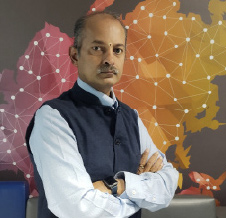
"Many companies are still competing for a consumer who has already moved on," said Aparna Bharadwaj, a managing director and senior partner at BCG, global leader of its Global Advantage practice, and a coauthor of the report. "Consumer journeys have shifted through the power of AI. This makes key thematic consumer segments such as solo households and longevity seekers feel highly underserved by brands. Four in ten consumers feel overwhelmed by the volume of information they encounter, and they are increasingly turning to AI as a trusted source to help them cut through that noise. Understanding the implications of that emerging trend is now central to any company's growth agenda."
Thirty-one percent of surveyed consumers now use AI at some point in their purchase journey, according to BCG, roughly triple the level recorded just 18 months earlier. The firm said 19% are AI loyalists who rely on it regularly when making purchase decisions, and 70% of those users ultimately buy the products AI recommends.
The expanding role of AI poses a new challenge for brands, BCG said. In more than half of AI-assisted purchase journeys, the technology introduces consumers to brands they would not otherwise have considered, according to the firm, and as AI increasingly mediates what consumers see, brands may have less visibility into how they are being recommended, ranked or excluded.
The research identifies several other structural themes already reshaping consumer demand, according to BCG. More than two-thirds of consumers say they will buy only when they perceive good value, even if they can afford the product at the price offered, the firm found. Nearly three-quarters of consumers rank health and well-being as the strongest indicator of prosperity, ahead of career at 40% and financial wealth at 28%, according to BCG.
The firm also pointed to the rise of solo living as a structural shift: in mature markets, one in every three households now consists of a single person, up 6 percentage points since 2010, BCG said. Solo households spend two to three times more per capita than multiperson households, according to the firm, yet 50% to 70% say products and services are not designed for people like them, making solo households one of the largest and most underserved opportunities for future growth.
"Companies that truly understand their consumers and recognize these shifts early will be better positioned to capture the next wave of growth," said Lauren Taylor, a BCG managing director and senior partner, global leader of the Center for Customer Insight, and a coauthor of the report. "Brands need to understand what creates value and build for the needs of emerging growth segments. They must also prepare for a world of AI-native commerce, where a recommendation can threaten an incumbent and create a challenger in the same moment."
The findings come from "Global Consumers Have Moved On. Has Your Growth Strategy Caught Up?," a report from BCG's Global Advantage practice and Center for Customer Insight. More than half of consumers say they don't fully trust any single source of information today, according to the report, which is based on a survey of more than 13,000 consumers across 12 markets, supplemented by more than 100 in-depth consumer interviews and an analysis of more than 1,000 brands. BCG said the research identifies five enduring themes reshaping consumer behavior: trust, AI-driven decision making, value over price, longevity and well-being, and solo living.
"Many companies are still competing for a consumer who has already moved on," said Aparna Bharadwaj, a managing director and senior partner at BCG, global leader of its Global Advantage practice, and a coauthor of the report. "Consumer journeys have shifted through the power of AI. This makes key thematic consumer segments such as solo households and longevity seekers feel highly underserved by brands. Four in ten consumers feel overwhelmed by the volume of information they encounter, and they are increasingly turning to AI as a trusted source to help them cut through that noise. Understanding the implications of that emerging trend is now central to any company's growth agenda."
Thirty-one percent of surveyed consumers now use AI at some point in their purchase journey, according to BCG, roughly triple the level recorded just 18 months earlier. The firm said 19% are AI loyalists who rely on it regularly when making purchase decisions, and 70% of those users ultimately buy the products AI recommends.
The expanding role of AI poses a new challenge for brands, BCG said. In more than half of AI-assisted purchase journeys, the technology introduces consumers to brands they would not otherwise have considered, according to the firm, and as AI increasingly mediates what consumers see, brands may have less visibility into how they are being recommended, ranked or excluded.
The research identifies several other structural themes already reshaping consumer demand, according to BCG. More than two-thirds of consumers say they will buy only when they perceive good value, even if they can afford the product at the price offered, the firm found. Nearly three-quarters of consumers rank health and well-being as the strongest indicator of prosperity, ahead of career at 40% and financial wealth at 28%, according to BCG.
The firm also pointed to the rise of solo living as a structural shift: in mature markets, one in every three households now consists of a single person, up 6 percentage points since 2010, BCG said. Solo households spend two to three times more per capita than multiperson households, according to the firm, yet 50% to 70% say products and services are not designed for people like them, making solo households one of the largest and most underserved opportunities for future growth.
"Companies that truly understand their consumers and recognize these shifts early will be better positioned to capture the next wave of growth," said Lauren Taylor, a BCG managing director and senior partner, global leader of the Center for Customer Insight, and a coauthor of the report. "Brands need to understand what creates value and build for the needs of emerging growth segments. They must also prepare for a world of AI-native commerce, where a recommendation can threaten an incumbent and create a challenger in the same moment."

See What’s Next in Tech With the Fast Forward Newsletter



SOFTWARE






Tweets From @varindiamag
Nothing to see here - yet
When they Tweet, their Tweets will show up here.