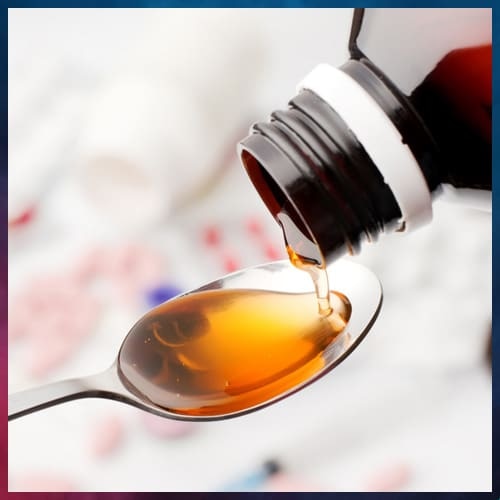
Following World Health Organization’s (WHO) warning about four cough syrups that have been linked to the deaths of 66 children in the Gambia, the government has started an investigation into the Haryana-based pharmaceutical firm manufacturing these medicines.
According to sources in the Ministry of Health and Family Welfare, the WHO alerted the Drugs Controller General of India (DCGI) about the cough syrups on September 29. The Central Drugs Standard Control Organisation then immediately took up the matter with the Haryana regulatory authority and launched a detailed investigation.
The cough syrups have been manufactured by M/s Maiden Pharmaceutical Limited in Haryana's Sonepat, and sources say that the firm had exported these products only to The Gambia. The company is yet to respond to the allegations.
The WHO has warned that the syrups may have been distributed outside the West African country and a global exposure is "possible". WHO chief Tedros Adhanom Ghebreyesus told reporters yesterday that the four cold and cough syrups "have been potentially linked with acute kidney injuries and 66 deaths among children".
According to the WHO alert, the four products are Promethazine Oral Solution, Kofexmalin Baby Cough Syrup, Makoff Baby Cough Syrup and Magrip N Cold Syrup.
"To date, the stated manufacturer has not provided guarantees to WHO on the safety and quality of these products," the alert said, adding that laboratory analysis of samples of the products "confirms that they contain unacceptable amounts of diethylene glycol and ethylene glycol as contaminants."
However the ministry sources said the "exact one to one causal relation of death" has not yet been provided by WHO". They added that the WHO is yet to share the details and photos of labels confirming the manufacturer of the products.
The WHO has not provided details on when these deaths took place.
According to the same sources, samples of the four cough syrups will now be tested in central and regional laboratories and results will come in within two days. As per protocol, any drug exported from India is tested by the recipient country and the question has arisen as to why the contamination was not detected during testing in The Gambia.