
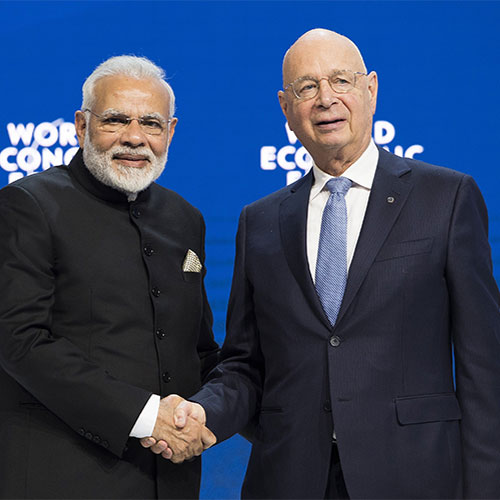
India dominates Davos 2026 with AI-themed pavilions from IT giants. Wipro showcases "AI and beyond," integrating generative models for enterprise transformation. TCS embeds AI across all services, from cloud to cybersecurity, targeting $10B+ AI revenue.
Yet amid AI hype, a counter-movement surges: the analog lifestyle. People ditch screens for vinyl records, film cameras, and board games—seeking mindfulness. Sales of analog tech spiked 25% in 2025 (Statista), fueled by burnout from AI overload.
This tension peaks with alarming research on AI's risks to kids. A 2026 Futurism-cited study (from Stanford's Human-Centered AI Institute) warns profound threats to social and intellectual growth.
Key Findings and Mechanisms:
-
Critical Thinking Erosion: AI tools like chatbots handle reasoning, shrinking kids' problem-solving by 30% (longitudinal tests on 5-12-year-olds).
-
Social Stunting: Over-reliance cuts face-to-face play, hiking anxiety 22% (per APA data); empathy scores drop as virtual interactions dominate.
-
Attention Fragmentation: Dopamine loops from AI feeds mimic addiction, halving sustained focus spans.
-
Creativity Suppression: Auto-generated content discourages original ideation—kids' story-writing originality fell 18%.
Experts like neuroscientist Maryanne Wolf argue AI "offloads cognition," risking a "shallow reading" generation. India faces this acutely: 400M+ youth, yet edtech boom (Byju's AI tutors) amplifies exposure.
Moving forward, regulate kid-targeted AI (EU's AI Act model), promote hybrid learning. Davos panels must address: AI accelerates India to $5T economy, but at what developmental cost?
India's Davos flex signals leadership—yet global pushback demands ethical guardrails.