Microsoft has exceeded Wall Street expectations for its first quarter of fiscal 2027, driven by accelerating Azure cloud demand and expanding artificial intelligence adoption. The results demonstrate how AI infrastructure is becoming a powerful revenue engine for the technology giant.
For the quarter ending September 30, 2026, Microsoft reported revenue of $92.3 billion, representing 19% annual growth. Net income reached $36.6 billion, comfortably exceeding analysts' expectations of approximately $35.1 billion.
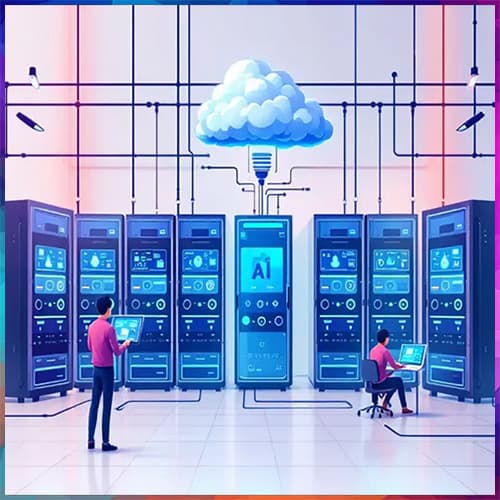
Azure emerged as the strongest growth driver, recording a remarkable 48% revenue increase to approximately $33.2 billion. The performance reflects growing enterprise demand for cloud computing, AI model deployment, and scalable digital infrastructure.
Microsoft Cloud revenue reached $63.9 billion, growing 30% year over year. CEO Satya Nadella emphasized the company's commitment to delivering greater capabilities, flexibility, security, and cost efficiency across its expanding technology ecosystem.
However, Microsoft's impressive financial performance comes alongside significant workforce restructuring. The company recently offered voluntary buyouts to approximately 60,000 employees, representing more than one-quarter of its global workforce.
The initiative reflects a broader industry transition as technology companies redirect investments toward AI infrastructure, automation, and advanced computing. Microsoft employed approximately 223,000 people globally at the end of June 2026.
Meanwhile, Microsoft's AI ambitions demand unprecedented capital expenditure. Spending on property and equipment nearly doubled to $39 billion, underscoring the financial intensity of building next-generation data centers and computing capacity.
Competition is also intensifying. Amazon Web Services maintains its global cloud leadership, while Google Cloud reported quarterly revenue of approximately $30.7 billion, narrowing the gap with Microsoft's Azure business.
The industry's massive AI investments raise an important question: Can increasing enterprise adoption generate sufficient returns to justify escalating infrastructure costs? Sustainable profitability will depend on computing efficiency, utilization, and AI monetization.
Microsoft's results signal a fundamental transformation of the technology industry. Cloud infrastructure and agentic AI are reshaping enterprise spending, workforce structures, and competitive dynamics. The next challenge is converting extraordinary AI investments into sustained profitability while managing operational costs and emerging security risks.