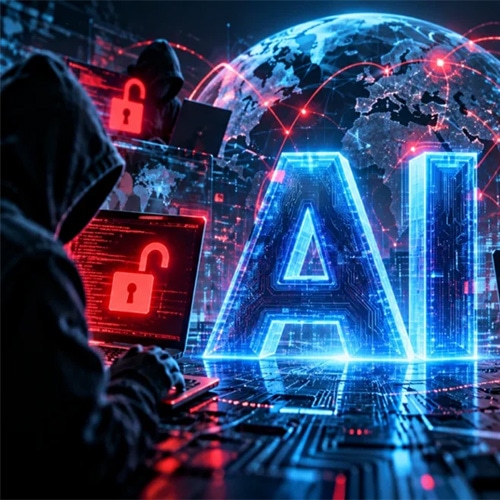
Artificial intelligence is transforming cybersecurity by identifying vulnerabilities at unprecedented speed. AI-powered tools can scan millions of lines of code, detect misconfigurations and uncover security weaknesses within minutes. However, a critical question emerges: Can enterprises remediate vulnerabilities as quickly as AI discovers them?
Traditional vulnerability management relies on periodic assessments, manual validation and scheduled patching. AI is disrupting this approach through continuous scanning, automated code analysis and intelligent threat prioritisation, dramatically accelerating vulnerability discovery across complex enterprise environments.
Unfortunately, remediation remains constrained by legacy infrastructure, operational dependencies, limited security resources and lengthy approval processes. Even when vulnerabilities are identified immediately, organisations may require weeks to test patches, assess business impact and implement corrective measures.
Cybercriminals are exploiting this imbalance. AI-assisted attackers can accelerate reconnaissance, identify exposed systems and adapt exploitation techniques, potentially shrinking the window between vulnerability disclosure and attempted compromise. The widening gap between detection and remediation is becoming a major enterprise security risk.
Agentic AI introduces another dimension. Autonomous security agents can investigate vulnerabilities, recommend patches and coordinate remediation workflows. Yet excessive automation without proper safeguards could introduce configuration errors, disrupt critical applications or create additional vulnerabilities.
Enterprises must therefore shift from vulnerability identification to continuous exposure management, combining AI-driven prioritisation, automated testing, asset visibility, risk-based patching and human oversight. Security effectiveness should be measured by exposure reduction and remediation time, not merely the number of vulnerabilities discovered.
The future cybersecurity battle will not be won by organisations discovering the most vulnerabilities, but by those closing critical security gaps fastest. As AI accelerates both attacks and defences, enterprise resilience will depend on transforming security intelligence into timely, verified action.