The significance of Security & Surveillance (S&S) systems has changed over the years. Security today has become a major concern for most individuals / organizations, given the increase in the number of crime rates in recent times. This is precisely where technology plays a major role in curbing such gruesome incidences and also in tracking crucial evidences. The recent increase in terrorist acts has significantly influenced the way one considers the need for adequate levels of security. As a result, electronic security apparatus is creating a niche for them in the market. As a result, there has been an increase in the need for integrated security solutions, both for products and services.
IP-based surveillance is steadily catching up
Traditionally controlled by analogue-based surveillance systems, the Indian market is now shifting towards digitized, i.e. IP-based surveillance systems. Earlier, surveillance systems were restricted to a closed circuit where images are seen from a centrally monitored station. However, with the advancement in technology, the images can now be viewed from anywhere in the world. This has increased the scope for the use of security and surveillance across the world, with the Indian market not left far behind.
IP video surveillance is a key business tool for ensuring smooth operations, general security, preventing loss and controls mischievous activity. It is steadily emerging as one of the most compelling investment areas, creating a whole new market for networking resellers and integrators. The current technology trend in the surveillance space and some of the recent market reports suggest that IP video surveillance equipment market globally was estimated to be at over $800 million in 2010-11 and over $45 million in India alone. As per the industry estimates, the market is forecasted to grow at a CAGR of 30.2% approximately over the next five years and is likely to be worth over $3 billion by 2015 globally.
Manufacturers are realizing that though the image quality is very important, it is not only about pixels but there is much more to it. Similarly, there has been progress with regard to evolution of smart storage, and maturity and convergence among interoperability standards as well. With evolving processors, intelligent video analytics is reaching out to fresh, unprecedented dimensions and in turn it is helping manage and employ silos of raw video content. The emergence of Cloud, Mobile Apps and I/SaaS (Infrastructure/Surveillance as a Service) is also bound to be pumping the security and surveillance market. Forecasts suggest considerable impact on the storage market with over 70% of network security camera shipments comprising of megapixel by 2015. Areas like sensor-based detection, biometrics, in line baggage scanners are expected to gain popularity and increased spending will happen in these areas in the coming years.
Opportunities for all
Recently, Zicom Group has acquired 49% stake and complete management control in Phoenix International WLL (Phoenix International), Qatar, at a valuation of US$15 million. As a part of the Share Sale Agreement, Zicom has acquired 5% stake, while Unisafe Singapore has acquired 44% stake in Phoenix International. Phoenix International offers turn keys solutions in fire protection and suppression projects and it has a licence to operate in the petrochemical sector. It has exclusive tie-ups to market safety and security equipments of leading international suppliers.
The portfolio of services offered by Phoenix International covers Design, Engineering, integrating, testing and commissioning of Fire Safety, Security and Building Management Systems, with main focus on Fire Prevention and Protection would complement the Zicom's offering too.
Prithvi Information Solutions Ltd., whose initial concentration was on e-governance related projects such as State Data Centres (SDCs), State Wide Area Network (SWAN), etc., gradually moved into security. "It was natural for us to expand into one area of security to surveillance. In surveillance, Prithvi would be bringing together its expertise in Telecom, SI, and Video Analytics to deliver best-in-class solutions to our customers," informs Nitin Bharadwaj Vyakaranam, Vice-President, Marketing & Alliances, Prithvi Information Solutions Ltd.
 |  |  |
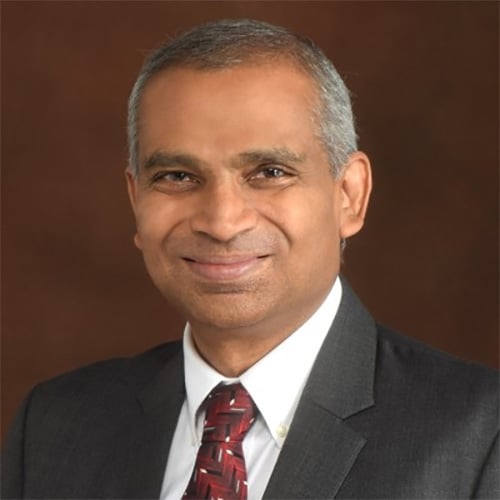
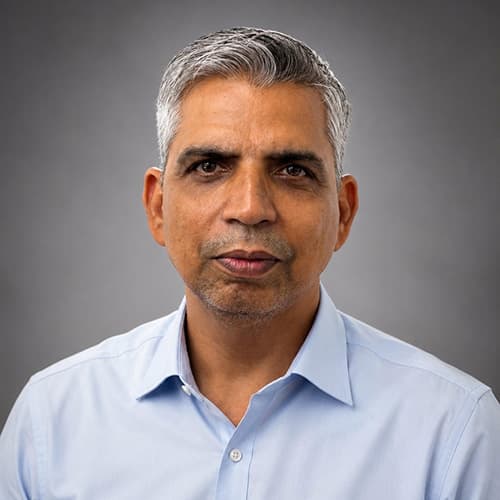
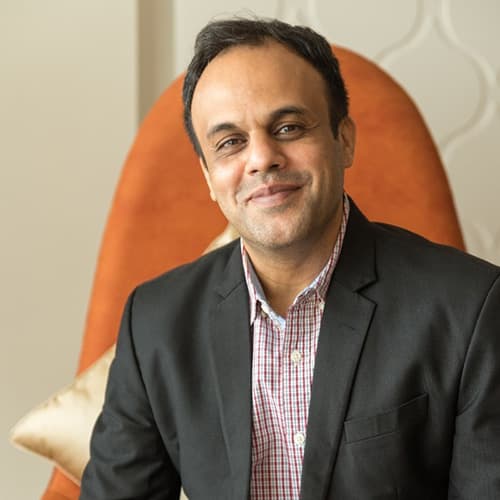
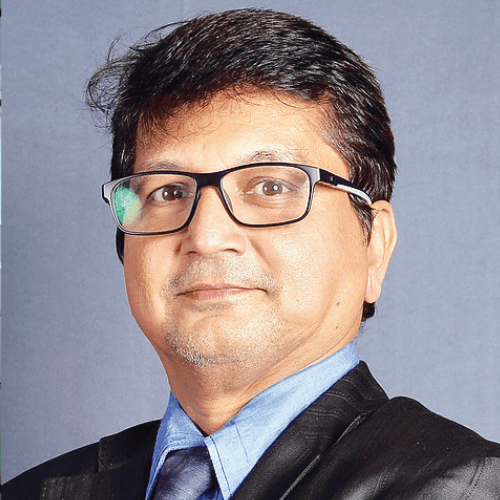
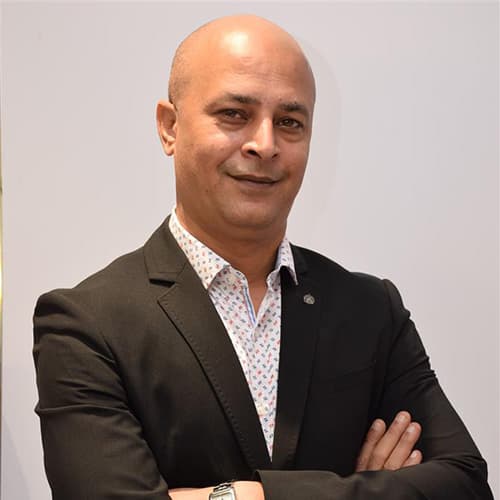
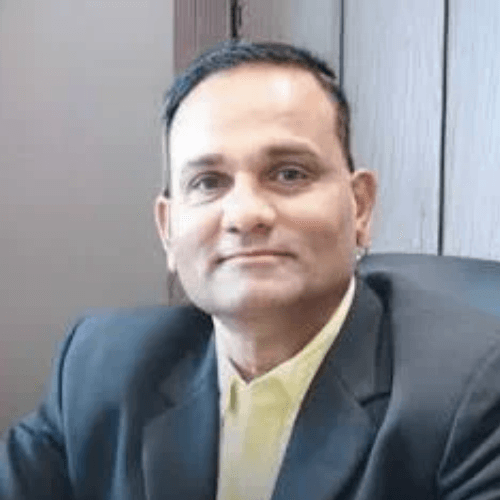
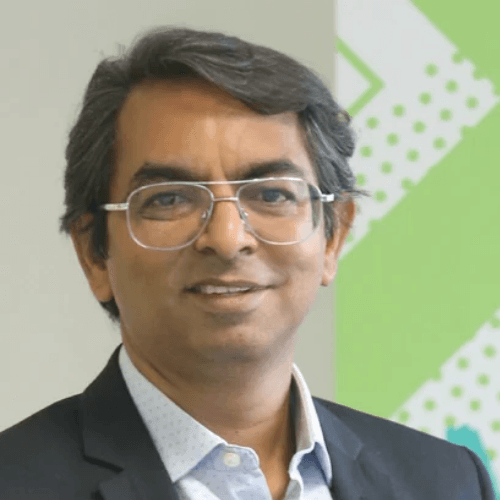
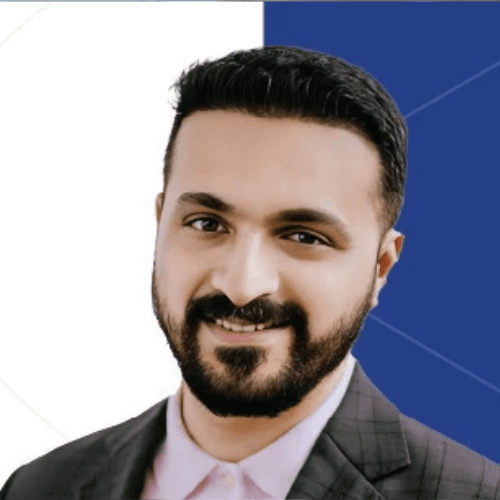
| Rothin Bhattacharyya EVP - Marketing, Strategy & BD HCL Infosystems | Kamal Sharma Group CIO & Business Unit Head Mindlance | Nitin Bharadwaj Vyakaranam VP - Marketing & Alliances Prithvi Information Solutions Ltd. |
Potential adoptersFor TelExcell, which started as End-to-End Networks Management Solution Provider seeing the trend, has now evolved as Intelligent Surveillance provider too. Micro ABB (ATM Black Box) is a unique, state-of-the-art and advanced security system developed for the banking sector. It secures ATM machines and provides energy-efficient technology for ATM Centres. It comes with life support features such as Wireless Panic Switch, which can be used by the guard in case of an emergency. It is also integrated with the biometric-based attendance system, wherein the guard's attendance will be recorded to minimize the time theft. Next, Mobi Security is a high-end mobile security device offering features like data restoration and data extraction via online, SIM change alert, deletion of personal data in case of misuse of data and locating the mobile.
Does one shoe fit all!
Philip George, Product Manager (Mobotix) - Security & Networks, TelExcell Information Systems Ltd., elaborates that the scope of surveillance certainly varies between verticals and it also depends on the scope of coverage required by the customer. "In the BFSI segment, surveillance would be used for basic security of the premises and the monitoring of staff and customer movement across the facility."
Manufacturing Sector:
Transport Sector:
Rothin Bhattacharyya, EVP - Marketing, Strategy and Business Development, HCL Infosystems, shares that HCL Security works on the "Risk Assessment Model", which provides a framework to identify and access risk so that the solution can be designed efficiently. "This is based on a simple rationale that "Risk is a blend of the threats we face; how vulnerable we are to those threats; and finally, what the consequences may be if those threats are realized". Risks are then used to help prioritize the security investment and balance security versus operational performance. This is where the results and requirements vary in different verticals - be it BFSI or Manufacturing or Transportation.
 |  |
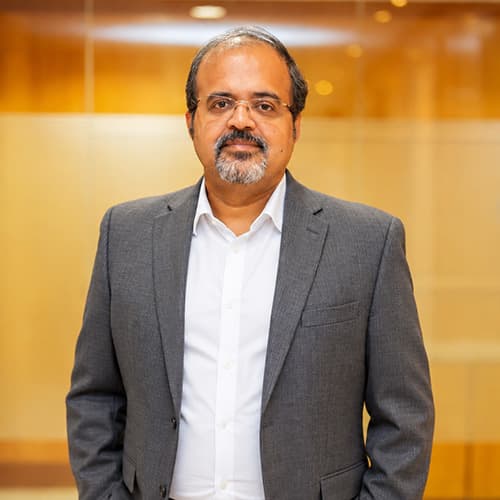
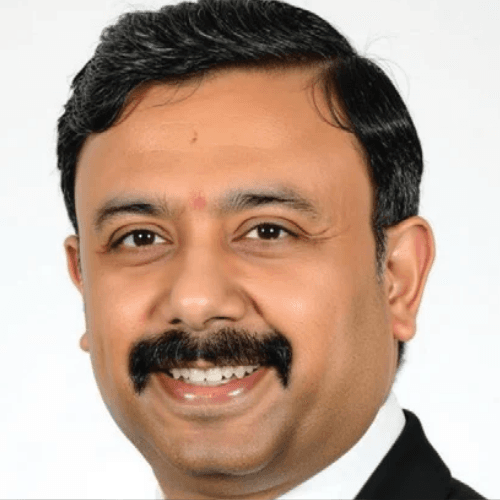
| Philip George Product Manager (Mobotix) - Security & Networks TelExcell Information Systems Ltd. | Ganapathy V CEO Micro technologies (India) Ltd. |
In the end…